

The Problem Solvers
My take on the Live Nation / Ticketmaster DOJ settlement

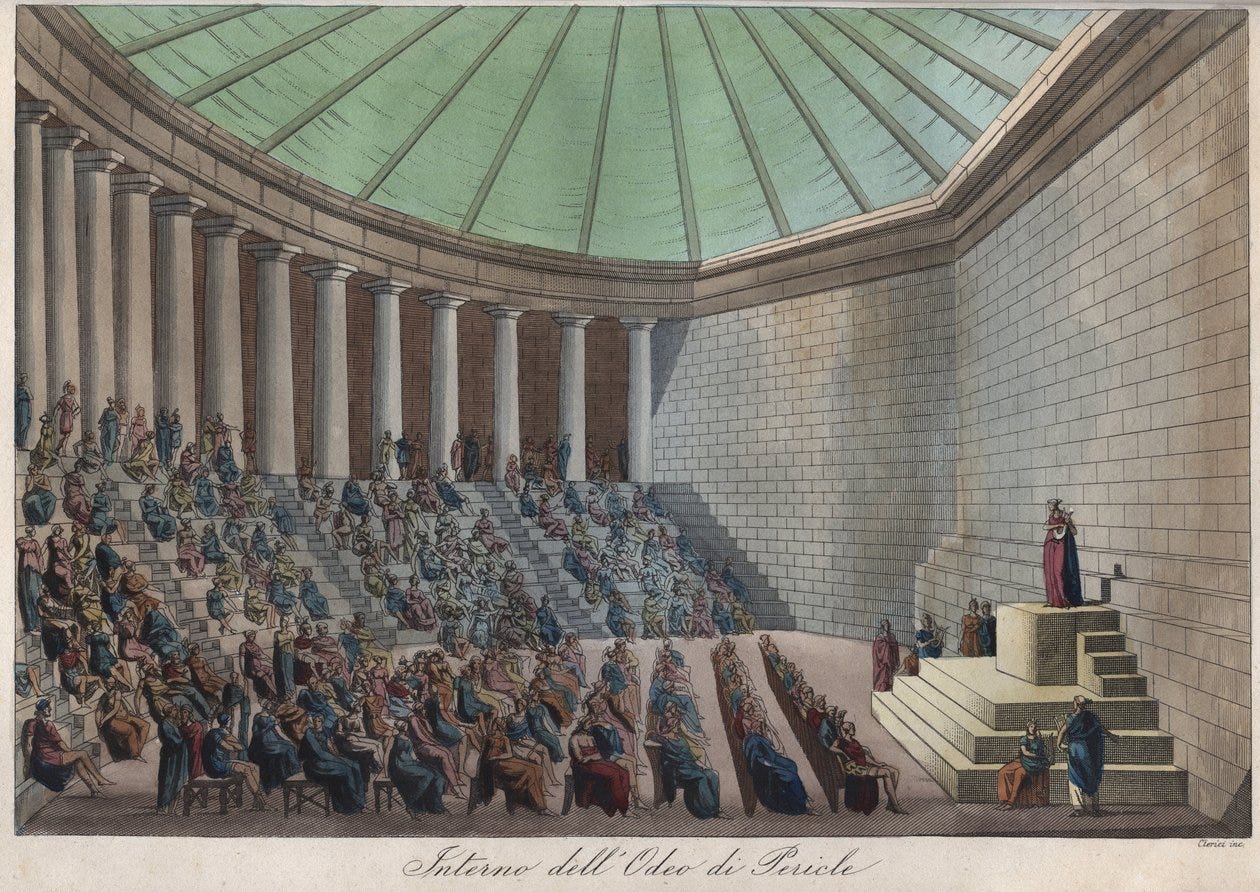
Think about the history of music: Yoruba people playing the dùndún, Ancient Greek hymns, Gregorian chants in Medieval Europe. To perform music for others has traditionally been a direct shared experience, a pure outward expression of inner feelings, a connective gesture meant to draw loved ones closer together.
But from the moment that Ancient Greek theatres started charging two obols for a performance, the calculus of live music was changed forever. As the coins accumulated and musicians began traveling from town to town to make a living as the centuries went on, it became inevitable that other parties would take notice.
Enter Live Nation Entertainment / Ticketmaster, the company at the forefront of a US DOJ antitrust lawsuit that is suddenly now on the verge of being settled. The charges levelled against Live Nation are that they function as a monopoly that uses their vast, wide-reaching power to stifle competition.
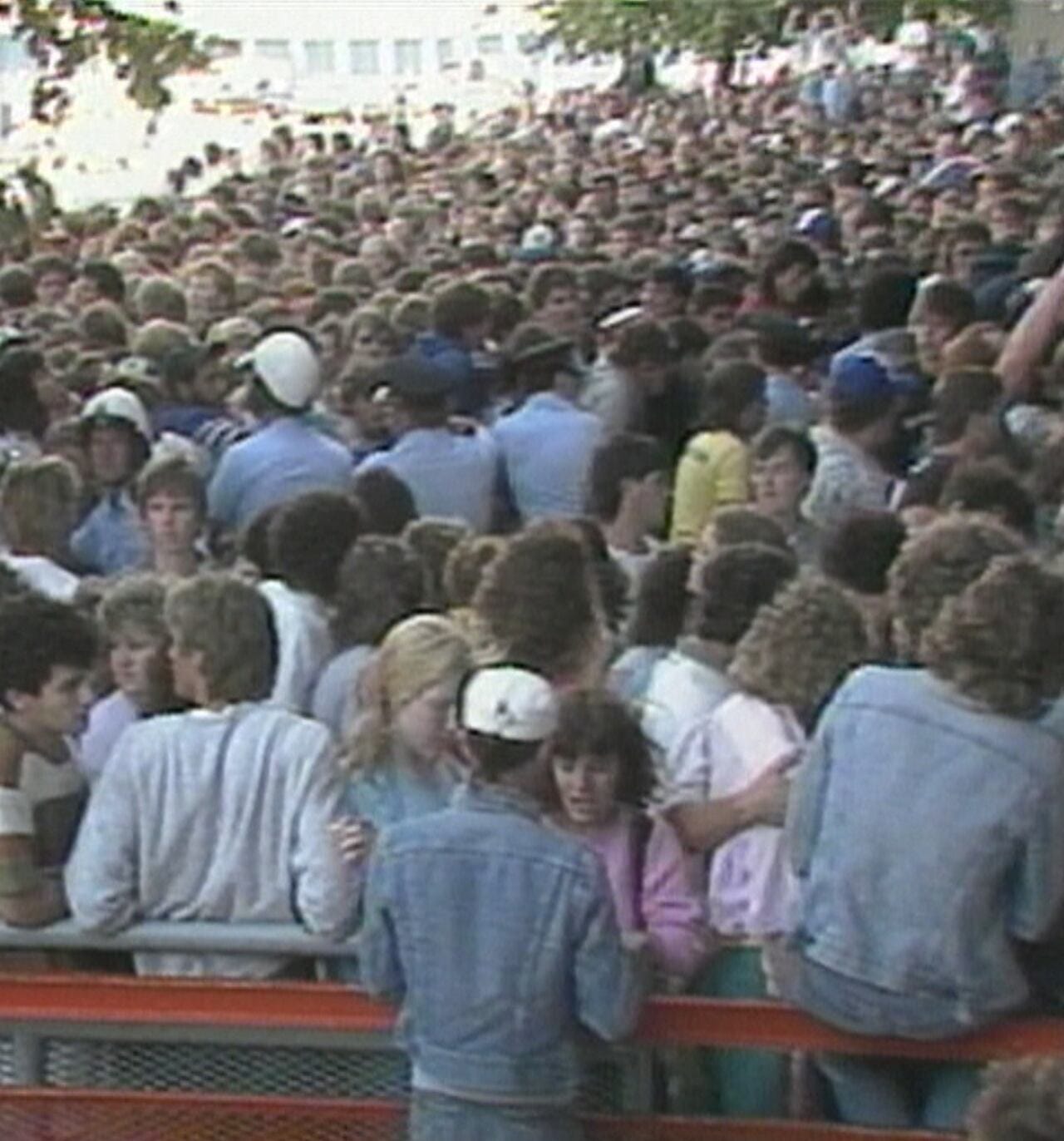
I couldn’t possibly think of two more comically monopolistic-sounding names than “Live Nation” and “Ticketmaster.” They would be considered too on-the-nose for a satirical novel. It’s hard to imagine it today, but Ticketmaster first came on the scene as a solution to several problems with live music.
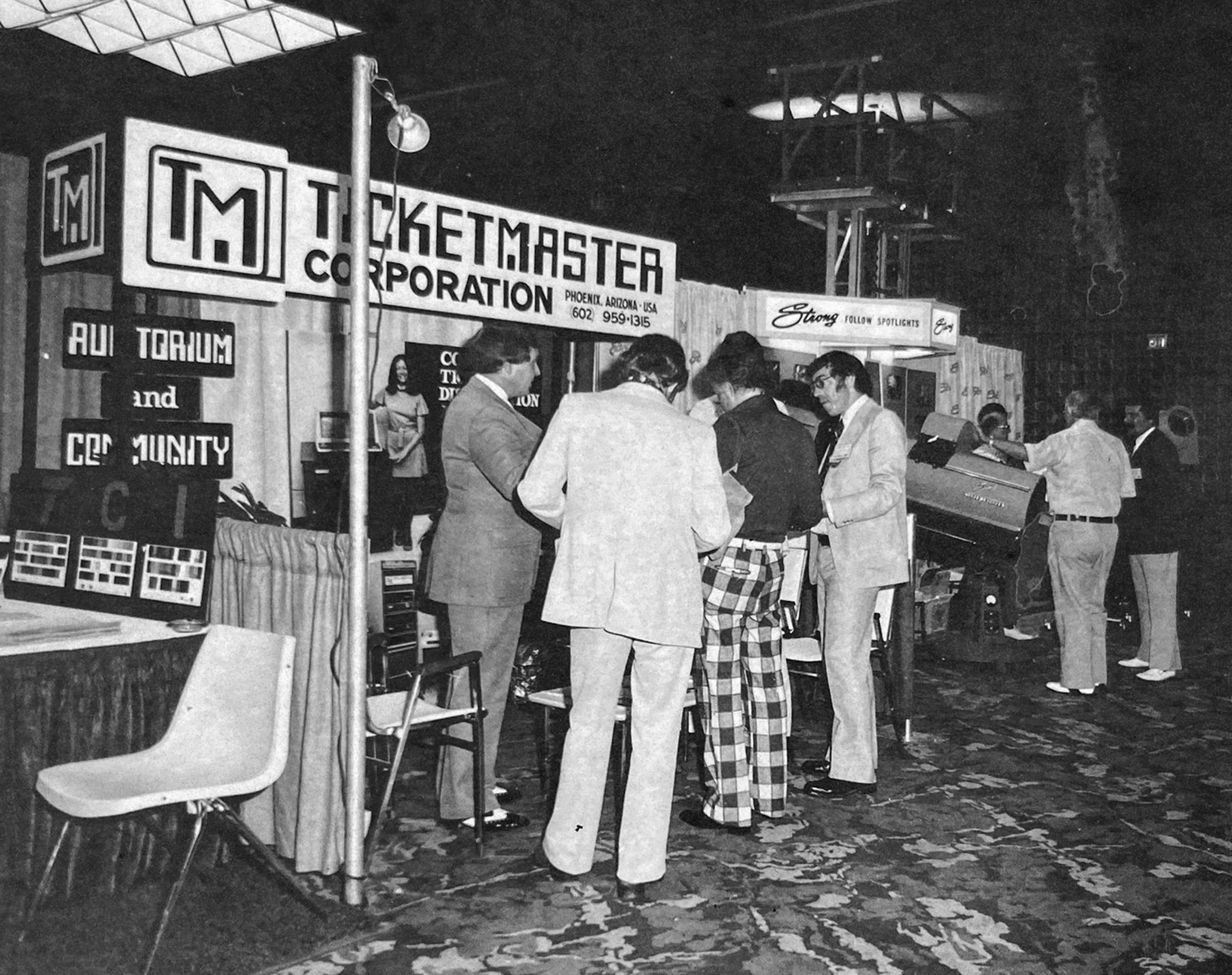
In 1976, a computer programmer and a box office expert joined forces to start Ticketmaster to create software that they licensed out while also selling ticketing hardware. Their network system decentralized ticket buying, making it so legions of fans no longer had to line up at a single box office.
Ticketmaster took down their biggest competitor Ticketron by allowing people to choose their own seats (Ticketron operated on a “Best Available” system that automatically gave you the best ticket remaining by the time you got to the front of the line) and by locking in exclusive multi-year contracts with venues, including snapping up partners that Ticketron previously had a relationship with.
Venues and promoters switched to Ticketmaster because they were able to help streamline their ticketing and accounting systems by computerizing the ticketing process, getting rid of the need for paper tickets. In exchange for this convenience, Ticketmaster started taking a $3.50 service charge from customers for concert ticket phone orders in the mid-1980s.
With their unchecked control of ticketing across hundreds of venues around the world since their acquisition of Ticketmaster in 2010, Live Nation now intentionally adds friction to the process of seeing live music in a way that serves only to benefit themselves. For a certain level of musician, it’s become nearly impossible to play a show without them being involved.
By 2016, Ticketmaster was under fire for adding a $14.75 service fee to a $36 ticket for a show at a Nashville amphitheatre. According to reporting from the trial by the Verge, Live Nation allegedly moved a Billie Eilish show to another venue after the Barclays Center changed their ticketing partner to SeatGeek as punishment.
Check out these recently unearthed quotes from Live Nation staffers bragging about price gouging customers on the company Slack, uncovered during the trial and shared by Bloomberg News and the New York Times:
“These people are so stupid”
“I almost feel bad taking advantage of them”
“Robbing them blind, baby”
Lord Acton famously said that “power tends to corrupt, and absolute power corrupts absolutely.” When I discussed the settlement on CBC Commotion last week alongside Vass Bednar, I noted that the terms felt like a slap on the wrist that wouldn’t create sweeping change. About two dozen states will be continuing their lawsuits outside of the settlement. I’m curious to see how things shake out and what it might mean for shows in the future.

Speaking of shows, very happy to announce that I’ll be performing alongside Open Mike Eagle and Rhys Langston when they come to Canada this spring. This should be the underground rap event of the season. Get your tickets below:
May 8 - Toronto - Sound Garage at Blood Brothers Brewing

My next single from Forager is called “Raghouse.” It features an R&B singer named Ariel with Junia-T on production and it’s dropping this Friday March 20th. It’s a new direction for me, I’m excited for y’all to hear it. More on this one soon. You can pre-save it here.
You can find me updating my playlists or hanging on TikTok, Instagram and Bluesky. You can listen to my music on Apple Music, Bandcamp and Spotify. You can get Cadence Weapon merchandise here. Pick up your copy of Bedroom Rapper here and please rate it on Goodreads.
I laughed out loud when I got to your joke about the names Live Nation and Ticketmaster, because I've definitely had the thought that they could have been shadowy corporations from a Pynchon novel.