

The Devil's Advocate
On Wasserman, Epstein and the role of the booking agent

The discovery of Wasserman CEO and founder Casey Wasserman’s 2003 email correspondence with now-incarcerated Jeffrey Epstein associate Ghislaine Maxwell in the most recent data dump from the Epstein Files has sent shockwaves through the entertainment world. Their flirtatious back-and-forth (Wasserman gushed that he thought about her “all the time,” asking “what do I have to do to see you in a tight leather outfit?”) has led to a firestorm of condemnation.
Wasserman’s talent agency is one of the most powerful music booking agencies in North America, also with a major foothold in the worlds of sports and entertainment. They are the larger umbrella company that encompasses other notable agencies that they’ve previously acquired: Paradigm Talent Agency, AM Only, Windish, and others. They represent Kendrick Lamar, Coldplay, Lorde, Tyler, The Creator, and Pharrell Williams.
Looking at Coachella’s 2025 lineup, Wasserman led the pack with their clients making up 35% of the names on the poster. Their nearest competitor UTA came in at 14%. In music, they are kingmakers.
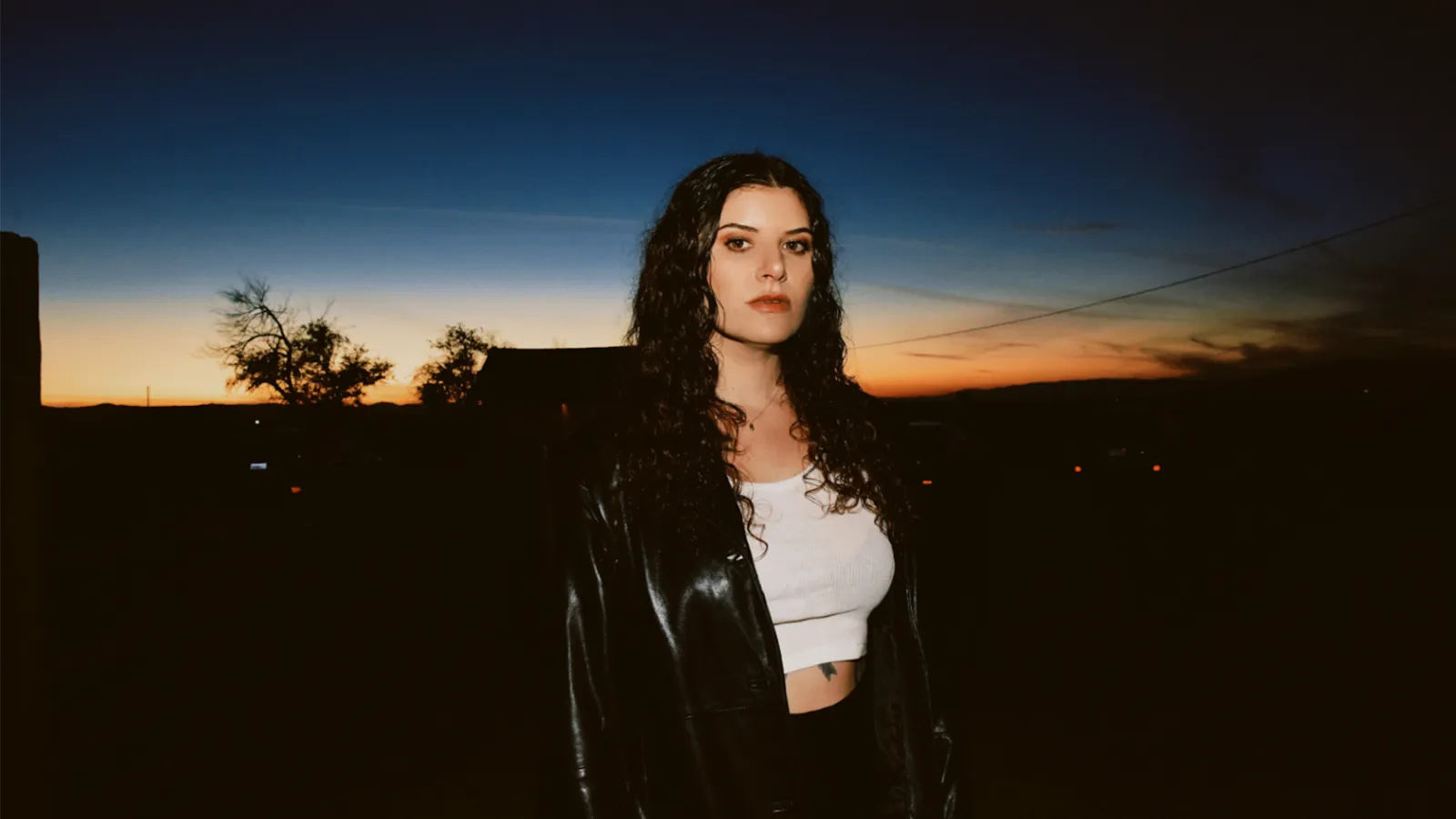
Which is what makes the subsequent exodus of artists from their ranks so notable. Bethany Cosentino of Best Coast started the wave of dissent with an open letter calling on Wasserman to step down. Chappell Roan subsequently left the agency while taking a typically principled stance: “No artist, agent or employee should ever be expected to defend or overlook actions that conflict so deeply with our own moral values.”
Yet the Wasserman imbroglio is the exact kind of Faustian bargain that artists are regularly forced to navigate if they hope to be successful. Uploaded your music to Spotify during the last few years? You and your songs have unwittingly funded AI drone company Helsing. Playing SXSW recently in hopes that your band might get their big break also meant that you were supporting weapons manufacturer Raytheon. Don’t agree with Live Nation’s price gouging and monopolistic business practices? Great, but as of 2024, they owned 394 venues worldwide, so good luck boycotting them.
Conversely, working with a booking agent does not involve such an ethical quagmire. Having a booking agent is extremely important for a musician, one of the biggest factors that can impact your bottom line. A booking agent is the person who helps an artist get shows. They negotiate how much you make at your shows and help you come up with a long-term touring strategy for a 10% cut of your fees.
When I didn’t have an agent for a few years, I went into every negotiation I had with a promoter or festival at a disadvantage. It was as if I was representing myself in court. The very fact that I was speaking on my own behalf seemed to lower my value in their eyes; I was immediately taken less seriously. I’ve heard of musicians creating fake email accounts with professional-looking names attached that they use exclusively for booking shows to make it look like they aren’t just doing it for themselves. I was routinely offered less money per show when I had no agent.
Connecting with a good agent brings you credibility and leverage. If an agent represents Chappell Roan, every other person on their roster benefits. Other artists might end up booking better gigs because promoters want to curry favour with the agent of a massive artist. A promoter will be less likely to mistreat a smaller act if there are other more established groups on the roster that they hope to book in the future.
At the end of the day, an agent’s job is to advocate for the artist, to make sure that everything you need is in place for a show. They fight for you and defend your worth. They’re the ones who prevent the promoter from disappearing in a plume of smoke without paying you after you’ve performed. At their best, they’re among the most helpful people that you’ll ever encounter in the music industry. Which is why it’s particularly galling to see someone who runs a booking agency rubbing shoulders with Epstein’s coterie.
That same positive network effect you see when a big artist on an agency props the door open for smaller bands is now being manifested publicly in the wake of the Wasserman emails. With each successive act that calls for Wasserman to resign and each band that leaves the agency, it puts more pressure on the powers that be to act. I also couldn’t help but notice a recurring theme in the posts by the artists who were either demanding that Wasserman resign or leaving his agency altogether: they were all careful to absolve their own agents of any wrongdoing.
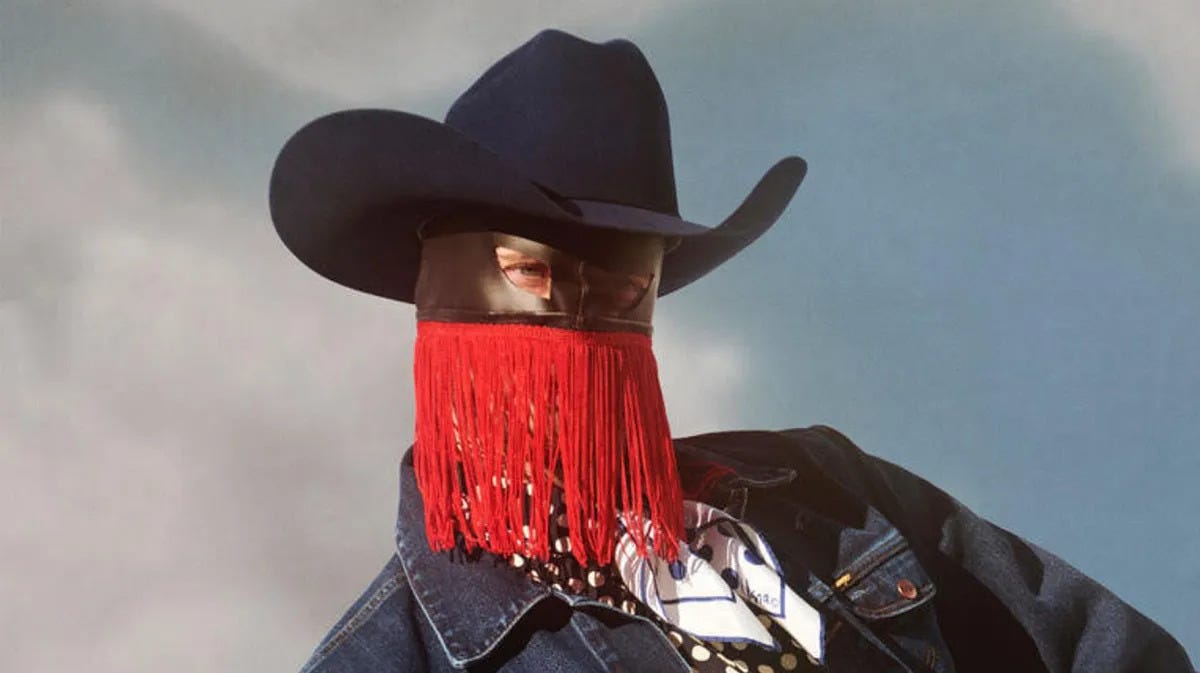
In his statement about stepping away from Wasserman, bbno$ described his agents as his “best friends” and “a group of people with tremendous ethics and values.” Weyes Blood said that she had “immense respect and affection” for her booking agents when she announced that she would not be working with Wasserman anymore. In Orville Peck’s post about leaving the agency, he said, “My heartfelt thanks goes out to my personal team, some of whom I have respected, trusted and worked with for close to a decade.”
This gives you an idea of just how important agents are to the musicians who work with them. The exodus of artists from the agency has led to the news that Casey Wasserman now plans to sell the company. This recalls the ultimatum given to disgraced former owner of the Los Angeles Clippers Donald Sterling when he was forced by NBA commissioner Adam Silver to sell his team. Microsoft’s Steve Ballmer acquired it from Sterling for $2 billion.
The powerful have an uncanny ability to turn a loss into a win, even if this particular asset is depreciating in value with each artist who steps away. At press time, Wasserman still remains chairman of the Los Angeles Organizing Committee for the 2028 Olympic Games. More than money, this is a story about power, who gets to wield it, and who suffers on the receiving end.
The music industry has historically controlled artists with power and fear. A thought that crossed my mind while writing this essay was that it might mean that I’ll be blacklisted by the agency going forward. That’s what makes all these brave musicians making their voices heard so inspiring. It’s a great reminder that, as artists and music workers, our platforms are meaningful and we are more powerful when we speak out together.
Pre-save my upcoming album Forager, out on April 24th with Six Shooter Records


Pre-order my book Ways of Listening, out May 26th on McClelland & Stewart

You can find me updating my playlists or hanging on TikTok, Instagram and Bluesky. You can listen to my music on Apple Music, Bandcamp and Spotify. You can get Cadence Weapon merchandise here. Pick up your copy of Bedroom Rapper here and please rate it on Goodreads.
Great piece here